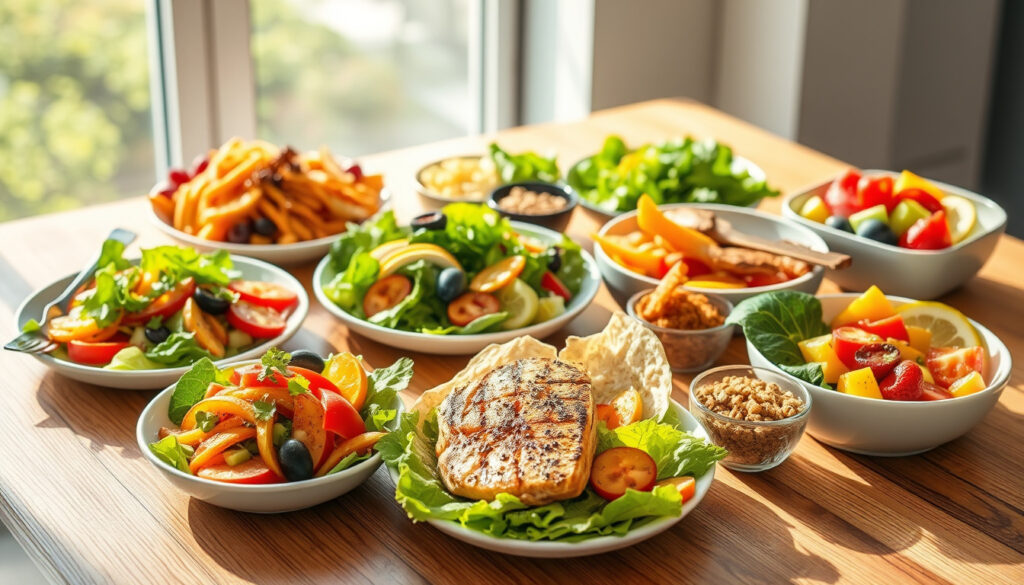
Low Calorie Lunch Ideas – Easy Recipes Under 400 Calories
Finding satisfying low calorie lunch ideas that keep you energized without exceeding your daily caloric goals can transform your approach to midday eating. Whether you’re preparing meals for the office, planning weekly batch cooking, or simply seeking lighter options to support weight management, understanding your choices makes all the difference.
Research-backed nutritional guidelines suggest that lunches falling between 300 and 500 calories provide optimal fuel for afternoon productivity while supporting weight loss goals when incorporated into a balanced daily eating pattern. The key lies in combining lean proteins, fiber-rich vegetables, and healthy fats to create meals that satisfy hunger and sustain energy levels throughout the day.
This guide explores practical low calorie lunch ideas across multiple dietary preferences, from vegetarian to high-protein keto options, all designed to be assembled quickly with minimal or no cooking required. Each recommendation draws from established nutritional standards and recipe sources to ensure accuracy in calorie counts and macro-nutrient composition.
What Are the Best Low Calorie Lunch Ideas?
Key Insights for Low Calorie Lunches
- Combining protein with fiber increases satiety and reduces afternoon snacking urges
- Meal timing matters—eating lunch between 12:00 and 1:00 PM supports metabolic efficiency
- Preparing components in advance saves time during busy weekdays
- Rotating protein sources prevents dietary boredom while ensuring complete amino acid intake
- Portion distortion is a common pitfall—measuring ingredients initially helps build accurate visual estimates
- Hydration supports digestion and can prevent mistaken hunger signals
Low Calorie Lunch Snapshot
| Idea | Calories | Prep Time | Macros |
|---|---|---|---|
| Tuna-stuffed cucumber halves | 280 | 10 min | 32g protein, 8g carbs |
| Smashed white bean avocado club | 340 | 8 min | 18g protein, 35g carbs |
| No-cook bento box | 380 | 5 min | 22g protein, 15g carbs |
| Chickpea sunflower sandwiches | 310 | 7 min | 14g protein, 40g carbs |
| Shrimp and avocado salad | 290 | 10 min | 25g protein, 12g carbs |
| Ham and pepperoni lettuce wraps | 320 | 5 min | 28g protein, 6g carbs |
Quick Low Calorie Lunch Ideas for Busy Days
For professionals managing tight schedules and anyone facing hot summer temperatures when cooking feels unappealing, no-cook lunch options provide practical solutions that require minimal preparation time. Most recipes in this category can be assembled in five to ten minutes, making them ideal for workdays when time is limited.
No-Cook Sandwiches and Wraps
Sandwich-based low calorie lunch ideas for work benefit from their portability and customization potential. The smashed white bean and avocado club combines canned beans with ripe avocado, crunchy cucumber, onions, and sprouts to deliver plant-based protein with satisfying texture. This combination provides approximately 340 calories while delivering 18 grams of protein and substantial fiber from the beans and vegetables.
Smoked salmon pita sandwiches pair lox with cream cheese, tomato, and arugula, offering an elegant high-protein option at lower calorie counts. The omega-3 fatty acids from salmon support brain function and cardiovascular health, making this option particularly valuable for those following heart-healthy eating patterns.
For creative presentations, sandwich kebabs arrange meat, cheese, and vegetables on skewers—a visually appealing approach that encourages mindful eating through its novelty factor.
Wrap alternatives expand the repertoire further. Thai beef rolls combine deli roast beef with raw vegetables wrapped in whole-grain tortillas, while almond butter veggie wraps feature raw vegetables and almond butter for fiber and healthy fats. Pesto olive pizza roll-ups replicate pizza flavors without cooking, and collard green wraps offer a low-carb alternative to traditional tortillas for those monitoring carbohydrate intake.
Preparing protein sources like canned beans, tuna, and deli meats in weekend batches allows weekday assembly of multiple lunch options in under ten minutes.
Salad-Based Meals
Salads provide endless variety while keeping calorie counts manageable when dressed thoughtfully. Tuna salad stuffed tomatoes use canned tuna dressed with olive oil and vinegar instead of mayonnaise, then stuffed into ripe tomatoes and paired with crunchy vegetables. This approach delivers protein without the added calories and fat of traditional creamy dressings.
Shrimp and avocado salads combine cooked shrimp with avocado on a bed of lettuce, drizzled with a homemade seafood sauce made from mayonnaise, sugar-free ketchup, and Worcestershire sauce. The combination provides approximately 290 calories with 25 grams of protein, making it suitable for high-protein dieters.
For those seeking lower-carbohydrate alternatives, tuna-stuffed cucumber halves mix tuna with Dijon mustard and red onions, requiring just ten minutes of preparation time. The cooling effect of cucumber makes this particularly refreshing during warm months.
Vegetarian and High-Protein Low Calorie Lunches
Plant-based low calorie lunch ideas deserve attention for their health benefits and environmental considerations. Research from nutritional studies indicates that meals centered on legumes, vegetables, and whole grains provide essential nutrients while supporting digestive health through their fiber content.
Vegetarian Alternatives
Chickpea sunflower sandwiches offer a lighter vegetarian replacement for traditional tuna salad, combining mashed chickpeas with sunflower seeds for added crunch and protein. The texture and flavor profile satisfies sandwich cravings while keeping calories under 350.
Tangy veggie wraps adapt easily to vegan preferences by substituting cottage cheese and yogurt with hummus or vegan mayonnaise. Adding colorful vegetables like bell peppers, carrots, and leafy greens increases the nutritional density while maintaining low calorie counts.
Detox raw tacos use cabbage leaves to wrap spicy walnut filling with peach salsa, creating a low-carb option that proves vegetarian meals need not lack excitement. The combination of spicy and sweet flavors demonstrates how plant-based eating can satisfy diverse palates.
High-Protein Keto Options
For those following ketogenic or low-carbohydrate eating patterns, high-protein low calorie lunch ideas must prioritize fat and protein intake while limiting carbohydrates. No-cook bento lunchboxes feature an assembly of cheese, deli meats, nuts, and fresh vegetables, offering versatile balanced meals that require no cooking or heating.
Creamy egg and avocado salad pepper boats stuff bell peppers with hard-boiled eggs, mashed avocado, mayonnaise, and mustard, creating a satisfying meal that provides complete proteins alongside healthy fats. Each serving delivers approximately 320 calories with significant satiety.
Smoked salmon and avocado sushi rolls wrapped in nori seaweed require only five minutes of preparation time while offering premium protein and omega-3 fatty acids. The combination of fish and avocado provides complete amino acids alongside monounsaturated fats.
When selecting deli meats and cheeses for keto bento boxes, choose minimally processed options without added sugars or fillers to maintain clean eating principles.
Tuna poke stuffed avocados serve fresh tuna in avocado halves, combining two protein-rich ingredients in a naturally low-carbohydrate format. Ham and pepperoni lettuce wraps rolled with provolone cheese and mayonnaise-based sauce deliver high protein with minimal carbohydrates, making them suitable for those tracking macros carefully.
Low Calorie Lunch Ideas for Meal Prep and Weight Loss
Batch preparation of low calorie lunch ideas transforms healthy eating from daily obligation into sustainable routine. Understanding how many calories should lunch be for weight loss depends on individual factors including activity level, metabolic rate, and total daily energy expenditure, though the 300-500 calorie range generally supports moderate calorie deficits when combined with balanced breakfasts and dinners.
Meal Prep Advantages
No-cook options prove particularly valuable for meal prep because they hold well in refrigerators for several days without texture degradation. Canned beans and tuna offer low-cost, pre-cooked protein sources that require no additional preparation beyond draining and rinsing.
The variety of ingredients allows flexible substitutions based on dietary preferences and available pantry items. Stocking a rotation of proteins, vegetables, and healthy fats enables creative assembly while maintaining caloric targets. A well-organized refrigerator with prepped components removes the temptation of less nutritious convenience foods.
Nutritional Benefits
These meals provide sustained energy through balanced macronutrients. Meals typically provide 300-450 calories with 14-32 grams of protein, making them suitable for weight loss and muscle maintenance simultaneously. Raw vegetables contribute fiber, vitamins, and antioxidants without significant calories, supporting overall health while promoting feelings of fullness.
Nutritional values provided are estimates based on standard ingredient portions. Individual calorie counts may vary based on specific brands, ripeness of produce, and exact measurements used during preparation.
300 Calorie Lunch Meal Ideas
Achieving targeted calorie counts requires strategic ingredient selection. The cheese sauce recipe demonstrates how small amounts of flavorful additions can transform simple vegetables into satisfying meals without excessive calories. Low calorie lunch ideas under 300 calories often rely on high-volume, low-density foods like salads and vegetable-based dishes.
Combining a lean protein source with generous vegetable portions and a modest amount of healthy fat creates balanced meals that satisfy hunger while remaining calorically modest. For those interested in exploring complementary meal options, Mexican food ideas can be adapted to fit low-calorie frameworks by emphasizing vegetable-forward dishes and lean proteins.
Weekly Low Calorie Lunch Meal Prep Timeline
Establishing a consistent meal prep routine transforms lunch preparation from daily challenge to automated habit. Research on behavior change indicates that environmental optimization supports healthier choices more effectively than relying on willpower alone.
- Sunday afternoon: Shop for proteins (canned tuna, chickpeas, deli meats), fresh vegetables, and shelf-stable items (nuts, whole grain tortillas). Wash and chop vegetables for the week.
- Sunday evening: Prepare foundational components—cook hard-boiled eggs, drain and rinse beans, portion nuts into containers. Make any batch sauces or dressings.
- Monday-Tuesday: Assemble simple protein and vegetable combinations. These fresh options work best early in the week.
- Wednesday-Friday: Use heartier preparations like stuffed vegetables and grain-based salads. These maintain quality through mid-week storage.
- Daily: Pack lunch the night before to avoid morning time pressure. Include ice packs for commute safety during warm weather.
Calorie Counts: Accurate and Customizable
| Established Information | Information That Varies |
|---|---|
| Calorie ranges (300-450) based on USDA nutritional databases and published recipe analyses | Individual metabolism affects actual energy expenditure from identical meals |
| Macro-nutrient percentages follow standard nutritional guidelines for balanced meals | Specific portion sizes depend on individual caloric targets and hunger levels |
| Prep times represent realistic estimates for assembly from pre-prepared components | Actual prep time varies based on kitchen experience and equipment availability |
| Dietary classifications (vegetarian, keto, etc.) follow established nutritional definitions | Individual tolerance for specific ingredients may require substitutions |
Why Low Calorie Lunches Work for Weight Loss
Sustainable weight management requires creating modest caloric deficits that can be maintained over time rather than extreme restrictions that lead to rebound eating. A lunch providing 300-500 calories represents approximately 25-35% of most adult daily energy needs, making it substantial enough to prevent afternoon cravings while remaining compatible with weight loss goals.
The macronutrient composition of low calorie lunches significantly impacts their effectiveness. Protein takes longer to digest than carbohydrates, supporting sustained satiety through the afternoon hours when workplace snacking temptation peaks. Fiber-rich vegetables add bulk without significant calories, mechanically supporting feelings of fullness.
Healthy fats from sources like avocados, nuts, and olive oil slow gastric emptying and support the absorption of fat-soluble vitamins. Including modest amounts of these nutrients in low calorie lunch ideas prevents the energy dips that often accompany overly restrictive eating patterns.
Expert Sources and Nutrition Data
“Planning meals ahead and being mindful of portion sizes are fundamental skills for successful weight management. Preparing lunch at home allows complete control over ingredients and caloric content.”
— Dietary guidelines from the National Institutes of Health
Nutritional information in this guide draws from USDA FoodData Central databases and published recipe analyses from registered dietitians. The Nutrition.gov healthy eating resources provide additional guidance on balanced meal construction.
“MyPlate recommendations suggest that half of each meal should consist of fruits and vegetables, with the remaining portions divided between lean proteins and whole grains.”
— USDA MyPlate Guidelines
The MyPlate platform offers personalized eating recommendations based on age, sex, and activity level. Consulting resources from the Academy of Nutrition and Dietetics provides evidence-based meal planning strategies.
Next Steps for Your Low Calorie Lunch Plan
Implementing these low calorie lunch ideas requires starting with one or two options that appeal to your preferences and lifestyle. Experiment with different combinations of proteins, vegetables, and healthy fats to discover which meals satisfy your hunger and taste preferences most effectively.
Tracking your meals and energy levels over several weeks helps identify patterns and preferences unique to your body and schedule. Adjust portion sizes and ingredient selections based on your results, remembering that sustainable eating patterns matter more than perfection.
How many calories should lunch be for weight loss?
Most nutritional guidelines suggest lunch should provide 300-500 calories for weight loss, representing approximately 25-35% of total daily calories. Individual needs vary based on activity level, metabolism, and total daily energy expenditure.
What are low calorie lunch ideas for meal prep?
Effective meal prep lunches include no-cook bento boxes with cheese, deli meats, nuts, and vegetables; grain-based salads with canned proteins; and stuffed vegetable preparations that maintain quality over several days of refrigeration.
What are high protein low calorie lunch options?
Tuna-stuffed cucumbers, smoked salmon with avocado, egg and avocado salads, and deli meat lettuce wraps provide 25-32 grams of protein while remaining under 350 calories per serving.
What are quick low calorie lunch ideas for work?
Smashed white bean avocado sandwiches, chickpea sunflower salad wraps, and pre-assembled bento boxes require five to ten minutes of preparation and transport easily in insulated bags.
What are vegetarian low calorie lunch ideas?
Vegetarian options include chickpea sunflower sandwiches, tangy veggie wraps with hummus, and detox raw tacos using walnut filling in cabbage leaves—all providing complete nutrition with plant-based proteins.
How do I calculate calories in homemade lunch recipes?
Use USDA FoodData Central or nutrition tracking applications to input ingredients and portions. Pre-packaged items list nutritional information on labels, simplifying calculation for assembled meals.
More related posts
 Green Party Leader: Current Leaders in Ireland & England (2024)
 Jalen Brunson: His Family, Wife, Daughter, and NBA Career
 Zara McDermott: Sam Thompson Split, Net Worth, Tomlinson Rumors
 Diane Keaton Death: Pneumonia, Life, and Legacy
 Dart Board Distance: Official Rules for Height & Throw Line Setup
 Matt Bomer: Biography, Coming Out, Husband, and Key Facts
 Tyrique George: Collapsed Transfer, Everton Move & Salary
 Is Aldi Open Today – Check Local UK Store Hours
