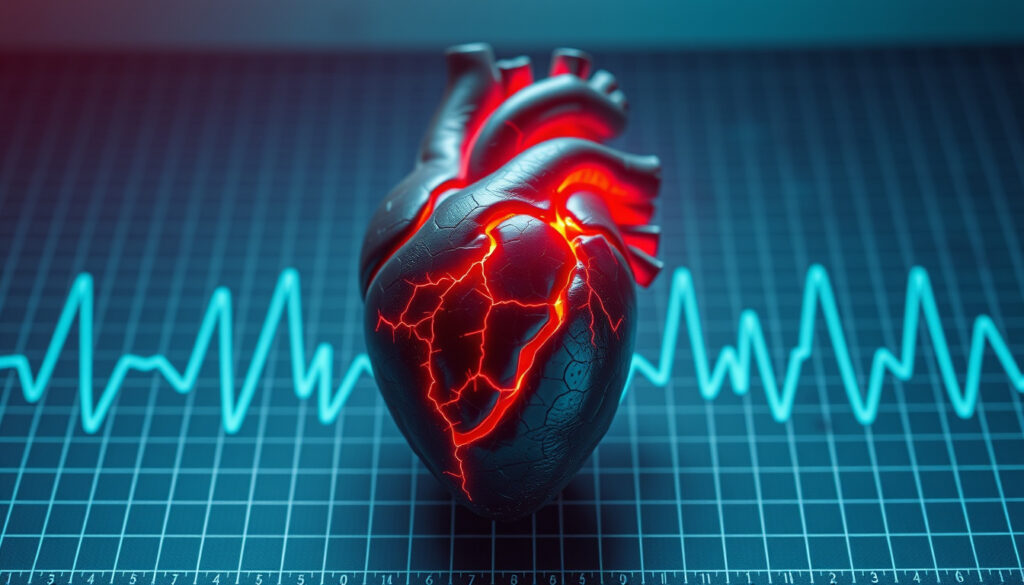
Signs of a Heart Attack: Symptoms and Warnings to Know
If you’ve ever wondered whether that tightness in your chest was just indigestion or something worth worrying about, you’re not alone. Heart attack symptoms don’t always announce themselves with dramatic, unmistakable pain—sometimes they’re subtle enough to dismiss or mistake for something minor. The good news? Knowing what to look for, especially the warning signs that appear before the event itself, can make all the difference.
Most Common Symptom: Chest pain or discomfort · Key Action: Dial 999 or 112 immediately · Spread Areas: Arm, neck, jaw, back · Additional Signs: Shortness of breath, sweating · Warning from AHA: Do not delay if suspected
Quick snapshot
- Chest pain/discomfort is the most common symptom for men and women (American Heart Association)
- Pain radiates to shoulder, arm, back, neck, jaw, or upper stomach (Mayo Clinic)
- Exact order of symptoms varies by individual — no two heart attacks present identically
- Precise prevalence of silent heart attacks remains difficult to determine
- Warning signs may appear hours, days, or weeks before an event (Mayo Clinic)
- Chest discomfort lasting more than a few minutes or recurring warrants immediate attention (American Heart Association)
- If you suspect a heart attack, call 999 (UK) or 112 (EU) immediately — do not drive yourself to hospital
- UK NHS guidance emphasizes that waiting increases heart muscle damage
The following table summarizes key heart attack warning signs for quick reference.
| Sign | Description |
|---|---|
| Primary Symptom | Chest pain, pressure, or discomfort |
| Pain Radiation | Shoulder, arm, back, neck, jaw |
| Other Signs | Sweating, nausea, lightheadedness |
| Emergency Number | 999 or 112 |
| Source Authority | American Heart Association |
How to identify a heart attack?
Recognizing a heart attack starts with understanding the hallmark symptom: central chest discomfort that feels like pressure, tightness, squeezing, or aching. According to the Mayo Clinic Health System, most heart attacks involve this sensation—it doesn’t necessarily feel like a sudden stabbing pain, but rather an uncomfortable pressure that builds.
Classic symptoms
- Chest discomfort: Typically in the center of the chest, lasting more than a few minutes or appearing and disappearing (American Heart Association)
- Pain spreading: Discomfort may radiate to the arms (often the left), back, jaw, neck, or upper stomach (Mayo Clinic)
- Shortness of breath: Often accompanies chest pain or occurs before it
- Cold sweat and nausea: Particularly common in women and older adults
When to call emergency services
If chest pain persists for more than 15 minutes, don’t wait to see if it passes. The Mayo Clinic notes that chest pain lasting beyond a quarter-hour is a key indicator that you’re likely experiencing a heart attack, not angina. Call 999 or 112 immediately, and if possible, take aspirin while waiting for help—do not drive yourself to hospital.
What are mini heart attack symptoms?
A “mini heart attack,” sometimes called a non-ST elevation myocardial infarction (NSTEMI), presents with milder chest discomfort that people often dismiss as indigestion or muscle strain. The NHS explains that some patients experience only minor pain resembling indigestion, while others may have shortness of breath, back or jaw pain, or nausea without any chest pain at all.
Differences from full heart attack
While a full heart attack typically involves severe, prolonged chest pain, mini heart attacks may produce symptoms so subtle they go unrecognized for days. The Cleveland Clinic notes that silent heart attack symptoms can mimic flu, sore muscles, or general tiredness—making them easy to dismiss.
Recognition tips
- Pay attention to chest discomfort that doesn’t resolve with antacids or rest
- Note shortness of breath or unusual fatigue that feels disproportionate to activity
- Be suspicious if symptoms cluster: jaw pain + nausea + sweating, even without chest pain
Women, older adults, and diabetics may never experience the “classic” severe chest pain that films portray. According to the Mayo Clinic, these groups are more likely to have atypical symptoms like nausea or brief neck and back pain instead.
What are the 5 P’s of a heart attack?
Medical educators use the 5 P’s as a circulation assessment acronym to help students remember key warning signs. While not an official symptom list from health authorities, this mnemonic—circulation assessment tool from Osmosis—captures patterns worth remembering:
Breakdown of each P
- Pale: Skin that appears greyish or ashen, particularly around lips and fingernails
- Pain: Chest discomfort or pressure radiating to arm, jaw, or back
- Pulseless: Weak or irregular pulse detected during examination
- Paralyzed: Sudden weakness or inability to move limbs (advanced indicator)
- Perspiring: Cold, clammy sweats that appear suddenly without exertion
Circulation assessment
These signs collectively indicate compromised blood flow to the heart muscle. The Mayo Clinic notes that clammy skin with sudden sweating is a common symptom reported alongside other heart attack indicators. When three or more of these signs appear together, emergency services should be called immediately.
What are the 7 warning signs for a heart attack?
The Chronic Disease Research Foundation identifies seven primary warning signs that medical professionals use as a practical checklist. These signs, sourced from Cleveland Clinic and other authoritative bodies, represent the most consistent indicators across patient populations:
List from CRF and medical authorities
- Chest discomfort or pressure (most common symptom)
- Pain or discomfort in arms, back, neck, jaw, or stomach
- Shortness of breath
- Cold sweat and nausea
- Rapid or irregular heartbeat
- Unusual fatigue lasting days
- Lightheadedness or sudden dizziness
Signs you shouldn’t ignore
According to the American Heart Association, chest discomfort in the center that lasts more than a few minutes—or comes and goes—should trigger immediate concern. Women may additionally experience anxiety, upset stomach, or shoulder and back pain that men typically don’t report as frequently.
Research from the Mayo Clinic News Network shows that 64% of women who die suddenly of coronary heart disease had no previous symptoms. This statistic underscores why dismissing subtle signs—even mild jaw pain or persistent fatigue—can be fatal.
What are the four silent signs of a heart attack?
A silent heart attack, medically known as a silent myocardial infarction (SMI), occurs with few or no recognizable symptoms. The Mayo Clinic defines this condition as one where symptoms are so mild they mimic ordinary discomfort like heartburn, flu, or strained muscles—but the heart still sustains damage.
Common silent indicators
- Mild chest discomfort: Often dismissed as indigestion or muscle strain
- Jaw or tooth pain: Discomfort in the upper body without obvious cause
- Unusual fatigue: Overwhelming tiredness that persists for days or weeks
- Nausea or indigestion: Easily mistaken for gastrointestinal issues
Differences in females
Women are significantly more likely to experience silent heart attacks or present with symptoms that don’t include severe chest pain. According to the Mayo Clinic, women are more likely than men to have shortness of breath, nausea, back or jaw pain, and fatigue as primary symptoms. The Mayo Clinic Minute highlights that women more frequently describe chest “pressure” rather than crushing pain.
The implication: women, older adults, and diabetics face the highest risk of silent heart attacks that cause real damage without obvious warning signs.
Silent heart attacks carry serious risks. Per the Cleveland Clinic, these events can lead to heart failure, abnormal rhythms, or strokes—damage that goes undetected until later imaging or symptoms emerge.
Heart attack emergency steps
Taking the right action immediately when a heart attack is suspected can mean the difference between recovery and permanent heart damage. Follow these steps in order:
- Call 999 or 112 immediately. Do not wait to see if symptoms improve—every minute of delay increases heart muscle damage (NHS)
- Take aspirin if available. Chewing a regular aspirin (325mg or four baby aspirin) helps prevent blood clotting while waiting for paramedics
- Stay calm and sit or lie down. Avoid exerting yourself; keep phone nearby for updates with emergency responders
- Loosen restrictive clothing. Remove scarves, ties, or tight collars to ease breathing
- Do not drive yourself to hospital. Emergency vehicles can begin treatment en route; driving puts you and others at risk
The American Heart Association emphasizes that waiting is the biggest mistake people make. If symptoms suggest a heart attack—even if you’re uncertain—call for help immediately.
What we know — and what we don’t
Confirmed
- Chest pain and discomfort remain the most common symptoms across genders
- Pain radiation to arm, jaw, neck, and back is a reliable indicator
- Women, older adults, and diabetics present with atypical symptoms more often
- Silent heart attacks cause real damage even without obvious warning
- Symptoms can appear hours to weeks before the acute event
Uncertain
- Exact order of symptom onset varies too much to predict reliably
- Precise prevalence of silent heart attacks is difficult to measure—many go undetected
- Non-English regional variations in symptom reporting remain underexplored
What the experts say
Dr. Reika Manquette, Cardiologist, Mayo Clinic“A classic heart attack people have described it as someone clutching the left side of their chest as they’re having this very severe pain.”
Dragos Balf, M.D., Cardiologist, Mayo Clinic Health System“Heart attacks can present without chest pain, especially in diabetics.”
The American Heart Association issues a blunt directive: do not delay if a heart attack is suspected. The evidence is clear—rapid response saves heart muscle, and waiting “just to be sure” carries consequences no patient should accept.
Related reading: Blood Pressure Chart by Age and Gender · Best Blood Pressure Monitor for Home Use
mayoclinic.org, mayoclinic.org, mayoclinic.org, mayoclinic.org
While chest pain grabs attention, early warning signs like jaw discomfort or sudden nausea often signal trouble before full onset, urging immediate action.
Frequently asked questions
What comes first in a heart attack?
Chest discomfort is typically the first signal, though symptoms vary. According to the Mayo Clinic Health System, some people experience mild symptoms first (fatigue, indigestion) while others face sudden, severe chest pain without warning.
What is the golden hour in a heart attack?
The “golden hour” refers to the critical 60-minute window after symptoms begin during which restoring blood flow to the heart muscle offers the best outcomes. Delays beyond this period increase the risk of permanent damage and complications.
What are 6 signs of a heart attack a month before?
Warning signs hours or days before include recurring chest discomfort (angina) that doesn’t resolve with rest, unusual fatigue, shortness of breath, and flu-like symptoms. The Mayo Clinic notes that recurring angina not relieved by rest is a key early warning.
What are heart attack causes?
Heart attacks typically occur when coronary arteries become blocked by fatty deposits (atherosclerosis), preventing blood flow to the heart muscle. Blood clots forming on these deposits can suddenly cut off circulation, triggering the acute event.
What is heart attack treatment?
Treatment aims to restore blood flow quickly through medications (thrombolytics, antiplatelets), catheter-based procedures (angioplasty with stent placement), or emergency bypass surgery. Speed is critical—the sooner blood flow resumes, the less heart muscle is lost.
What are pre-heart attack symptoms in females?
Women may experience subtle pre-heart attack symptoms including unusual fatigue lasting weeks, shortness of breath, jaw or neck pain, nausea, heartburn, and anxiety. The Mayo Clinic notes that women are more likely than men to report these atypical symptoms rather than severe chest pain.
What are 3 warning signs of a heart attack in females?
Three key warning signs more common in women are shortness of breath, nausea or vomiting, and back or jaw pain. According to the Mayo Clinic, these symptoms frequently appear without the dramatic chest pain that characterizes male presentations.
More related posts
 Bernese Mountain Dog Puppy – Cost Size Care Training Guide
 Pa O’Dwyer Death: Irish Strongman Dies at 40
 Robert Dyas Discount Code: 50% Off + Student Offers
 Met Office East Kilbride: 7-Day Forecast & Warnings
 Tenacious D UK Tour 2026: Are They Coming? (Latest News)
 Claire Foy: Illness, Partner, Children, and Career
 Met Office 11am Rule UK Heatwave: What You Need to Know
