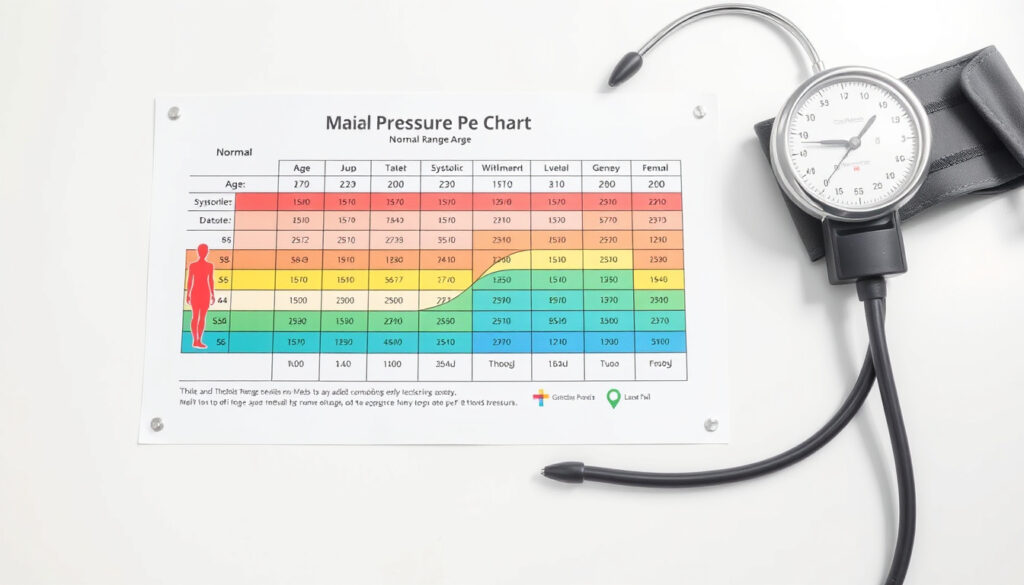
Blood Pressure Chart by Age and Gender: Normal Ranges
If you’ve ever wondered whether your blood pressure reading is “normal” — and then tried to make sense of a chart that seems to change depending on your age and sex — you’re not alone. Doctors use these reference ranges to spot patterns that the top number alone can’t reveal, and the numbers shifted notably after 2017 when the American Heart Association updated its guidelines. Below is a breakdown of what healthy blood pressure looks like across age groups and genders, backed by health authority data and clinical research.
Normal adult BP: 120/80 mmHg · Men 18–39: 119/70 mmHg · Women 18–39: 119/70 mmHg · Seniors 60+: 133–139/68–69 mmHg
Quick snapshot
- Normal adult blood pressure is less than 120/80 mm Hg (CommonSpirit Health)
- AHA 2017 guidelines set the hypertension threshold at 130/80 mm Hg for all adults over 18 (Sesame Care)
- Exact “ideal” blood pressure targets vary by individual health status and comorbidities
- Some sources average 125/80 mm Hg for seniors 60+, while others cite 133/69 mm Hg — the difference reflects sample variations rather than conflicting clinical standards
- Pre-2017: 140/90 under 65, 150/80 over 65 thresholds applied (Harvard Health)
- 2017: AHA/ACC eliminated age-based splits post-SPRINT study, setting uniform 130/80 threshold for all adults (Harvard Health)
- Monitoring at home with validated devices remains the practical next step for most adults
- Regular check-ups allow clinicians to apply personalized targets beyond population-level charts
| Category | Systolic/Diastolic (mm Hg) | Source |
|---|---|---|
| Universal normal (optimal) | Under 120/80 | CommonSpirit Health |
| Elevated | 120–129 / under 80 | CommonSpirit Health |
| Hypertension Stage 1 | 130–139 / 80–89 | CommonSpirit Health |
| Hypertension Stage 2 | 140 or higher / 90 or higher | CommonSpirit Health |
| Hypertensive crisis | 180 or higher / 120 or higher | CommonSpirit Health |
| Low blood pressure | Below 90/60 | Heart Research Institute |
| Newborn (up to 1 month) | 60–90 / 20–60 | CommonSpirit Health |
| Adolescent normal range | 112–128 / 66–80 | Sesame Care |
| Male DBP lowest (ages 31–40) | 75.5 mmHg | PMC Study (NIH) |
What is normal blood pressure by age?
Blood pressure rises with age due to arterial stiffening, which is why age-group charts differ significantly from a single “normal” number. The data below reflects population averages, not personalized targets.
Adults under 40
For adults aged 18–39, men average 119/70 mm Hg while women average 110/68 mm Hg. This gender gap reverses in older age groups and reflects hormonal differences that emerge after puberty.
A peer-reviewed study published in PMC (NIH) found that male diastolic blood pressure hits its lowest point — 75.5 mmHg — in the 31–40 age range, confirming that young men’s BP patterns are distinct from older men’s.
Young adults with readings consistently above 120/80 may already be on an elevated trajectory. Catching this early matters because arterial stiffening is cumulative.
Middle-aged 40–59
For adults 40–59 years, women average 122/74 mm Hg and men average 124/77 mm Hg. The gap narrows compared to younger adults, and both genders show gradual systolic rises.
This age band is where monitoring frequency typically increases, especially for patients with cardiovascular risk factors. Ubie Health notes that blood pressure rises with age due to arterial stiffening, making this a critical window for intervention.
Seniors 60+
For adults 60 and older, women average 139/68 mm Hg while men average 133/69 mm Hg — a notable reversal where women’s systolic pressure exceeds men’s. This pattern reflects hormonal shifts post-menopause.
Average readings for this group hover around 125/80 to 139/69 depending on the source, reflecting cohort and sample variations rather than conflicting clinical standards. Heart Research Institute confirms Australian data aligns with US averages for this age group.
What is an ideal blood pressure for a 70 year old?
The 2017 AHA/ACC guidelines eliminated the age-based BP thresholds that previously allowed higher readings in patients over 65. Under current guidelines, many adults 70 and older should target under 130/80 mm Hg, though individualized targets may differ based on frailty, comorbidities, and medication tolerance.
Guidelines for seniors
Harvard Health explains that post-SPRINT study findings, the guidelines no longer contain an age split — meaning the 130/80 threshold applies uniformly to adults of all ages. Prior to 2017, thresholds were 140/90 for under-65 adults and 150/80 for those over 65.
For patients over 65 who are frail or have multiple comorbidities, clinicians may set a less aggressive target (such as under 140/90) if aggressive lowering increases fall risk or other adverse effects. This is an individual decision made between patient and physician.
Average readings for 70–75 year olds
Data from CommonSpirit Health shows adults 60+ averaging 133/69 mm Hg (men) and 139/68 mm Hg (women). For a 70-year-old male, 133/69 mm Hg represents the population average — slightly above the 130/80 target but within Stage 1 hypertension range.
Average readings for seniors often sit above the ideal target. This doesn’t mean high blood pressure is “normal for your age” — it means more seniors have hypertension than younger adults, and the health consequences remain the same.
What is normal blood pressure for women by age?
Women’s blood pressure patterns differ from men’s across the lifespan, driven by hormonal fluctuations during puberty, pregnancy, and menopause. These differences are significant enough that gender-specific charts offer more clinical utility than unisex tables.
Women 18–39
Young women in this bracket average 110/68 mm Hg, which is notably lower than their male counterparts (119/70 mm Hg). This reflects estrogen’s known effect on vascular tone, which tends to keep women’s systolic pressure lower during reproductive years.
CPRAEDCourse notes that males have higher blood pressure after puberty but females trend higher after menopause — a pattern that emerges clearly in the 60+ age data.
Women 40–59
For middle-aged women, average blood pressure rises to 122/74 mm Hg. The narrowing of the gender gap here reflects declining estrogen protection as women approach perimenopause.
Women over 60
Post-menopausal women average 139/68 mm Hg — a figure that exceeds the male average for the same age group (133/69 mm Hg). This reversal is clinically significant and often under-discussed in patient education materials.
Women over 60 often have higher systolic readings than age-matched men. This isn’t a minor variation — it places post-menopausal women at elevated cardiovascular risk that may be overlooked if clinicians rely on unisex reference ranges.
What is normal blood pressure for a 75 year old male?
A 75-year-old man falls in the seniors 60+ category, where population data shows an average of 133/69 mm Hg. Individual factors — including kidney function, heart health, medication use, and activity level — will determine whether this man’s personal target should be below or near that average.
Male seniors specifics
Male blood pressure trends show that systolic pressure rises steadily with age, while diastolic tends to plateau or decline slightly after age 60 due to arterial stiffening. This creates a widened pulse pressure — a known risk marker for cardiovascular events in older men.
Per CommonSpirit Health, men 60+ average 133/69 mm Hg, which sits at the boundary of Hypertension Stage 1 under current AHA guidelines.
Elderly monitoring
Home monitoring becomes especially valuable for men in this age group. Validated home blood pressure monitors allow tracking over weeks and months rather than relying on single office readings, which can be inflated by white-coat effect.
What is low blood pressure chart by age and gender?
Low blood pressure (hypotension) is generally defined as below 90/60 mm Hg, though the threshold can vary slightly depending on whether symptoms like dizziness or fainting are present.
Defining low BP
Heart Research Institute defines low blood pressure as less than 90/60 mm Hg. Unlike hypertension, low BP is less commonly segmented by age and gender in standard charts, though population averages do vary slightly across demographics.
Symptomatic low BP may indicate dehydration, medication effects, adrenal insufficiency, or cardiac issues — and warrants clinical evaluation regardless of what a chart suggests is “normal” for a given age.
Charts by age groups
Low BP thresholds remain relatively consistent across age groups, though orthostatic hypotension (a drop in pressure upon standing) becomes more common in seniors and may not be captured in standard resting BP charts.
For newborns and infants, normal BP ranges are substantially lower — newborns up to 1 month average 60–90/20–60 mm Hg per CommonSpirit Health. Applying adult BP thresholds to pediatric patients would be a serious clinical error.
Low BP is less common as a population health problem than hypertension, but it carries its own risks — particularly falls in older adults and shock in acute settings. Any sudden drop from a person’s usual reading warrants medical attention.
Blood pressure chart for elderly — full reference table
Eight age and gender bands, one consistent message: blood pressure rises with age and does so differently for men and women.
| Age range | Men (avg. mm Hg) | Women (avg. mm Hg) | Notes |
|---|---|---|---|
| 18–39 | 119/70 | 110/68 | Highest gender gap; estrogen protective in women |
| 40–59 | 124/77 | 122/74 | Gap narrows; pre-menopause transition |
| 60+ | 133/69 | 139/68 | Gender reversal; systolic rise in women |
| School-aged (children) | 97–112/57–71 | 97–112/57–71 | Based on age, sex, height percentiles |
| Adolescents | 112–128/66–80 | 112–128/66–80 | Range spans pre- to post-puberty |
| Infants (1–12 months) | 65–100/35–65 | 65–100/35–65 | Source: CPRAEDCourse |
| Newborns (up to 1 month) | 60–90/20–60 | 60–90/20–60 | Lowest human BP range |
| Optimal (all adults) | Under 120/80 | Under 120/80 | Population target per AHA |
Aggressively lowering BP in frail seniors — while mathematically ideal — can increase fall risk and dizziness. The 130/80 target is a population goal, not a one-size-fits-all mandate for every 75-year-old on a polypharmacy regimen.
Why blood pressure classification matters
Understanding whether your reading falls in normal, elevated, or hypertensive territory determines next steps — whether that’s annual monitoring, lifestyle changes, or medication. The American Heart Association’s official BP chart provides the reference standard used by most US clinicians.
“New guidelines now define high blood pressure for all adults as 130/80 millimeters of mercury (mm Hg) or higher,” notes Harvard Health. This shift means millions of adults who were previously classified as “normal” now fall into an elevated or hypertensive category requiring closer follow-up.
Stages of hypertension
The current classification system (AHA 2017) defines four categories: Normal (under 120/80), Elevated (120–129 / under 80), Hypertension Stage 1 (130–139 / 80–89), and Hypertension Stage 2 (140 or higher / 90 or higher). A fifth category — Hypertensive Crisis (180/120 or higher) — requires immediate medical attention.
Sesame Care, a healthcare provider aligned with current guidelines, emphasizes that Stage 1 hypertension no longer requires medication in most cases but does call for lifestyle intervention and closer monitoring.
Confirmed
- 120/80 mm Hg is the universal normal threshold for adults
- AHA 2017 guidelines apply 130/80 threshold uniformly to all adults over 18
- Women 60+ average higher systolic than men (139 vs 133 mm Hg)
- BP rises with age due to arterial stiffening
- Gender BP differences reverse after menopause
Unclear
- Exact personalized ideal targets vary by individual health status
- Conflicting averages for 60+ age group across sources (125/80 vs 133/69) reflect sample differences
- Long-term outcomes data for the SPRINT study are still being analyzed for senior subgroups
Expert perspectives
New guidelines now define high blood pressure for all adults as 130/80 millimeters of mercury (mm Hg) or higher.
— Harvard Health (Medical Publication, Guideline Authority)
As of 2017, the American Heart Association recommends that adults keep blood pressure levels below 130/80 mm Hg.
— Sesame Care (Healthcare Provider, AHA-Aligned)
Optimal blood pressure is less than 120/80 mm Hg. Low blood pressure is less than 90/60 mm Hg.
— Heart Research Institute (Research Organization, Cardiovascular Focus)
Key takeaways
Blood pressure charts by age and gender reveal patterns that a single “normal” number obscures. Young women typically run lower than young men; post-menopausal women typically run higher than age-matched men. The 2017 guideline shift to 130/80 means millions more adults now fall into an elevated or hypertensive category — not because their health changed overnight, but because the measurement standard tightened.
For adults 70 and older, population averages may sit at or above Stage 1 hypertension thresholds even when no symptoms are present. This isn’t a reason to accept elevated readings as inevitable — it’s a reason to monitor regularly and discuss personalized targets with a clinician who understands both the guidelines and the individual patient’s health context.
For anyone managing blood pressure at home, the practical takeaway is consistent: track over time, note patterns (morning vs evening, before vs after medication), and bring those records to appointments rather than relying on a single in-office reading.
These AHA guidelines underpin practical tools like the age blood pressure chart, which details normal systolic and diastolic ranges across life stages for men and women.
Frequently asked questions
What is the new normal blood pressure for seniors?
Under 2017 AHA guidelines, the target for all adults — including seniors — is below 130/80 mm Hg. Previously, targets for those over 65 were more lenient; that age split was eliminated post-SPRINT study.
What is the average blood pressure reading for a 73 year old?
Population data for adults 60+ shows men averaging 133/69 mm Hg and women averaging 139/68 mm Hg. Individual readings will vary based on health status, medication, and measurement conditions.
What is a normal blood pressure for a woman?
For adult women, “normal” varies by age: young women 18–39 average 110/68 mm Hg, middle-aged women 40–59 average 122/74 mm Hg, and women over 60 average 139/68 mm Hg. The optimal target for all adults is under 120/80.
What are normal blood pressure levels by age and gender?
Adults 18–39: men 119/70, women 110/68. Adults 40–59: men 124/77, women 122/74. Adults 60+: men 133/69, women 139/68. All adults should target under 120/80 as optimal, with 130/80 marking the hypertension threshold.
What is the blood pressure chart for elderly?
The elderly (60+) category shows the highest population averages, with systolic readings averaging 133–139 mm Hg. Women over 60 consistently show higher systolic than men in this age group. The 2017 target of under 130/80 applies to all adults including the elderly.
Which disease is known as the silent killer?
Hypertension is called the “silent killer” because it typically has no symptoms while causing progressive damage to blood vessels, the heart, kidneys, and brain. Regular BP monitoring is the primary way to detect it before complications arise.
What is normal blood pressure for seniors?
Seniors 60+ average 133/69 mm Hg (men) and 139/68 mm Hg (women). While these averages are higher than in younger adults, the clinical target under current guidelines remains under 130/80 for most seniors — with individualized adjustments based on overall health and medication tolerance.
More related posts
 Aretha Franklin: Life, Legacy, and Estate Battle
 What Is a Preposition? Definition, Examples & Guide
 Temporal Forces Card List: Complete Set, Prices & Hits
 Black Widow: The Movie, Character, and Meaning Explained
 Vueling Airlines Review 2025: Is It a Good Airline
 Josh Pugh Disability: Comedian, Para-Footballer & Marriage
 Ella Maisy Purvis: Biography, Career, and ADHD Questions
 Nikki Sanderson: IVF, Baby Joy, and Career Updates
