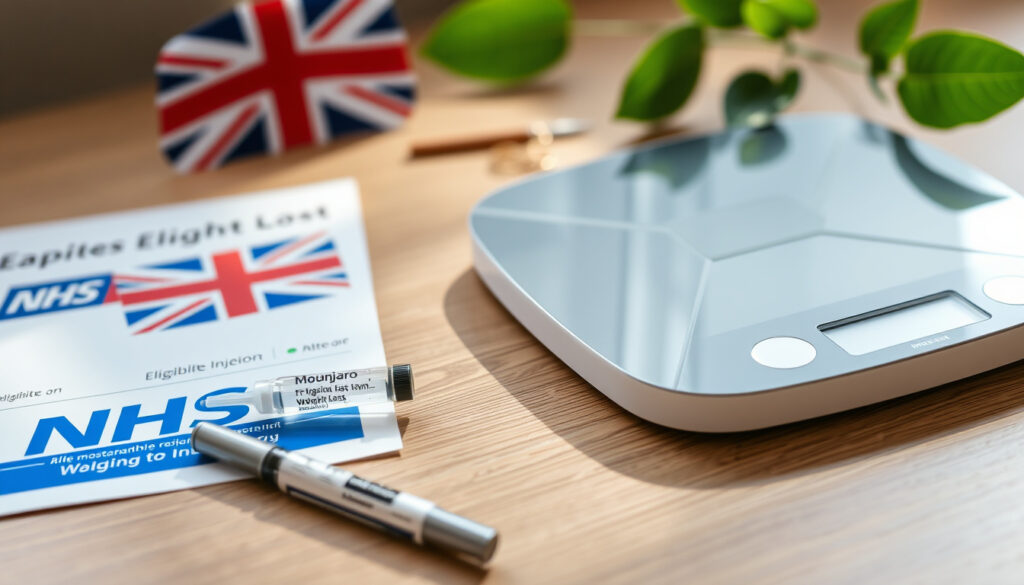
Mounjaro Weight Loss UK – NHS Access, Eligibility & Results
Mounjaro (tirzepatide) represents a significant advancement in weight management medication now available in the United Kingdom. Following regulatory approval for weight loss indications, the drug has been introduced through NHS services and specialist weight management pathways. This guide covers everything you need to know about accessing Mounjaro for weight loss in the UK, including eligibility criteria, expected results, side effects, costs, and how the medication compares to alternatives such as Wegovy and Ozempic.
As obesity rates continue to impact public health across England, medicines like Mounjaro offer new options for adults struggling with weight-related health conditions. Understanding how to access these treatments, what results to expect, and what support is required alongside the medication can help patients make informed decisions about their weight management journey.
Is Mounjaro Available for Weight Loss in the UK?
Mounjaro received authorisation from the Medicines and Healthcare products Regulatory Agency (MHRA) for weight management in November 2023. The subsequent approval by the National Institute for Health and Care Excellence (NICE) for NHS use came in December 2024, paving the way for controlled rollout through specialist services and general practice.
MHRA Approved November 2023
15–22% of body weight in trials
BMI 40+ with 4+ weight-related conditions
Standard prescription rate (£9.90)
The medication works as a dual GLP-1 and GIP receptor agonist, making it more effective than single-hormone treatments when compared alongside diet and exercise support. Clinical evidence reviewed by NICE demonstrated superior outcomes compared to semaglutide-based treatments.
- Administered as a weekly self-injection under the skin
- Dual action on GLP-1 and GIP receptors provides enhanced appetite suppression
- More effective than semaglutide (Ozempic/Wegovy) in head-to-head comparisons
- NHS access is phased based on clinical need and availability
- Participation in lifestyle support programmes is now mandatory
- Rollout aims to reach 220,000 eligible patients within three years
| Parameter | Details |
|---|---|
| Starting Dose | 2.5mg weekly for 4 weeks |
| Maintenance Dose | Up to 15mg weekly |
| BMI Requirement (NHS) | 40kg/m² or higher (may be lower for higher-risk ethnic groups) |
| Health Conditions Required | At least 4 weight-related conditions |
| MHRA Approval Date | November 2023 |
| Maximum Trial Weight Loss | 22.5% of body weight at 72 weeks |
How to Get Mounjaro Prescribed in the UK
Access to Mounjaro on the NHS follows a structured rollout plan that began in March 2025 through specialist weight management services. From June 2025, access expanded to primary care settings for patients with the highest clinical need. A GP referral to a specialist weight management service is typically required to start treatment.
Where to Access Treatment
Patients meeting eligibility criteria can access Mounjaro through two primary NHS pathways: specialist weight management services and general practice. Specialist services provide comprehensive support including dieticians, psychologists, and regular monitoring. General practitioners can prescribe for eligible patients once referred to these services or following specialist assessment.
The NHS rollout is being delivered over 12 years in phases. NICE will conduct a review after the initial three-year implementation period to determine how access will be managed going forward and which patient groups will become eligible.
How Much Weight Can You Lose on Mounjaro?
Clinical trials have demonstrated substantial weight loss outcomes across multiple studies. The SURMOUNT programme of trials evaluated tirzepatide’s effectiveness in different patient populations, with results consistently showing meaningful weight reduction when combined with lifestyle changes.
Clinical Trial Results
The SURMOUNT-1 trial examined obese or overweight adults with at least one weight-related health complication. Participants received doses of 5mg, 10mg, or 15mg over 72 weeks alongside diet and exercise support. Those taking the 15mg dose lost an average of 22.5% of their body weight, compared to just 2.4% in the placebo group. Even at the lower 5mg dose, participants lost an average of 16.0% of their starting weight.
SURMOUNT-2 focused on adults with Type 2 diabetes, a group traditionally more challenging to treat for weight loss. Participants using the 15mg dose achieved a mean weight reduction of 15.7%, while those on 10mg lost 13.4% on average. The placebo group in this trial lost 3.3% of body weight.
Perhaps most notably, SURMOUNT-4 demonstrated that patients lost an average of 21% of their bodyweight in just 36 weeks. This represents significantly faster results than many alternative treatments available in the UK.
Proportion of Patients Achieving Meaningful Weight Loss
Beyond average results, clinical trials showed that the vast majority of patients achieved at least clinically meaningful weight loss. Between 81.6% and 96.3% of patients taking tirzepatide lost at least 5% of their body weight, depending on the dose received. This threshold is clinically significant as research shows that losing 5-10% of body weight can substantially improve obesity-related health conditions.
Weight loss results vary between individuals. Factors including starting weight, adherence to medication, dietary changes, physical activity levels, and underlying health conditions all influence outcomes. Clinical trials demonstrate averages; individual results may be higher or lower.
What Are the Side Effects and Is Mounjaro Safe?
Understanding the safety profile of any medication is essential before starting treatment. Mounjaro has undergone extensive clinical testing, with safety data collected across multiple large-scale trials involving thousands of participants worldwide.
Common Side Effects
The most frequently reported side effects are gastrointestinal in nature and tend to occur during the initial weeks of treatment or when doses are increased. These effects are typically temporary and often diminish as the body adjusts to the medication.
- Nausea — one of the most common effects, usually temporary
- Diarrhoea — frequently reported, particularly in early treatment stages
- Vomiting — may occur alongside nausea
- Constipation — affects a significant proportion of users
Metabolic Effects
For patients with type 2 diabetes, low blood sugar (hypoglycaemia) represents a particular concern. Symptoms of hypoglycaemia include headache, drowsiness, weakness, dizziness, hunger, confusion, irritability, fast heartbeat, and sweating. Diabetic patients should discuss blood sugar monitoring with their healthcare provider before starting treatment.
Serious Adverse Events
Serious adverse events are uncommon in clinical trial data. However, adverse events leading to treatment discontinuation occurred in a small percentage of trial participants. According to available safety data, most side effects can be managed with dose adjustments and supportive care under medical supervision.
Healthcare professionals will discuss benefits and limitations, including potential side effects, before prescribing Mounjaro. Patients should report any persistent or severe symptoms to their clinical team promptly.
Mounjaro must be prescribed by a qualified healthcare professional. Self-medication or obtaining the drug without medical oversight carries significant risks. Report any adverse symptoms to your clinical team immediately.
How Does Mounjaro Work and What Is the Dosage?
Tirzepatide operates as a dual receptor agonist, targeting both GLP-1 (glucagon-like peptide-1) and GIP (glucose-dependent insulinotropic polypeptide) receptors. This dual mechanism distinguishes it from older weight loss medications that target only GLP-1 receptors.
Mechanism of Action
The medication mimics the action of naturally occurring hormones that are released after eating. By activating these receptors, tirzepatide helps regulate appetite and food intake. The result is prolonged feelings of fullness and reduced hunger, which helps patients naturally consume fewer calories without extreme restriction.
Unlike stimulant-based weight loss medications, Mounjaro does not increase heart rate or cause restlessness. The appetite-suppressing effect comes from the body’s natural satiety signals being enhanced rather than artificial energy boosts.
Dosage Schedule
Mounjaro is administered as a weekly subcutaneous injection using a pre-filled pen device. Treatment begins with a low dose to minimise side effects, with gradual increases over time.
- Initial dose: 2.5mg weekly for the first four weeks
- Dose escalation: Following assessment, doses typically increase every four weeks
- Standard maintenance range: 5mg to 15mg weekly
- Maximum dose: 15mg weekly
Dose adjustments depend on individual tolerability and treatment response. Healthcare professionals will determine the appropriate dose progression for each patient. You can learn more about supporting your weight loss journey with regular activity alongside medication.
Administration Tips
The injection can be administered at any time of day, with or without food. Patients choose a consistent weekly day for their injection. Common injection sites include the abdomen, thigh, or upper arm. Rotating injection sites helps minimise skin irritation.
Mounjaro Cost and Comparisons in the UK
Understanding the financial aspects of Mounjaro treatment helps patients plan their weight management journey. Costs vary significantly depending on whether treatment is accessed through the NHS or privately.
NHS Prescription Cost
On the NHS, Mounjaro is available at the standard prescription rate of £9.90. Patients who qualify for free NHS prescriptions, such as those on certain benefits or with specific health conditions, will not pay this amount. NICE has determined that Mounjaro represents a cost-effective use of NHS resources because weight loss in people with obesity reduces their risk of developing further health complications and future NHS costs.
Mounjaro Versus Wegovy
Both Mounjaro and Wegovy are available on NHS prescription for eligible patients, but they differ in several important ways. Wegovy (semaglutide) is prescribed at doses higher than those used in Ozempic specifically to enhance weight loss effects. Mounjaro, by contrast, utilises dual receptor action that clinical trials suggest provides superior weight loss outcomes compared to GLP-1-only medications.
| Aspect | Mounjaro | Wegovy |
|---|---|---|
| Active Ingredient | Tirzepatide (dual agonist) | Semaglutide (GLP-1 only) |
| Mechanism | GLP-1 and GIP receptors | GLP-1 receptors only |
| NHS Eligibility | BMI 40+ with 4+ conditions | At least one weight-related condition |
| Access Route | Specialist services and GPs (phased) | Specialist Weight Management Service via GP |
| NHS Treatment Duration | Part of phased rollout | Maximum of two years |
| Effectiveness | More effective than semaglutide in comparisons | Established weight loss medication |
Mounjaro Versus Ozempic
Ozempic (also containing semaglutide) is currently prescribed in the UK primarily for type 2 diabetes management rather than weight loss alone. Research published in medical journals indicates that patients using Mounjaro for type 2 diabetes achieved greater weight loss than those using Ozempic for the same purpose. However, comprehensive head-to-head trials specifically for weight loss indications require further investigation.
Availability and Rollout Timeline
The NHS rollout of Mounjaro for weight management follows a structured timeline designed to ensure equitable access based on clinical need. Understanding this timeline helps patients know when and how they might become eligible for treatment.
- November 2023: MHRA authorises Mounjaro for weight management in the UK
- December 2024: NICE approves Mounjaro for NHS use in England
- March 23, 2025: Tirzepatide becomes available through specialist weight management services
- June 2025: Access expands to GP practices for patients with highest clinical need; 12-year phased rollout begins
- December 2025: Mandatory wraparound support participation takes effect
- Three-year mark: NICE review of initial implementation period to determine future access criteria
The implementation plan aims to provide Mounjaro to 220,000 people with obesity within the first three years of rollout. This figure represents a significant step in addressing obesity-related health burden across England.
As of December 2025, participation in wraparound support—including diet and exercise coaching—is mandatory for all NHS patients. If a patient refuses or fails to engage with the support programme, their prescription can be stopped. This requirement ensures that medication is used alongside the lifestyle changes necessary for sustainable results.
What We Know and What Remains Uncertain
Patients considering Mounjaro benefit from understanding both what established evidence shows and what questions remain unanswered. This distinction helps set realistic expectations while acknowledging the limitations of current knowledge.
| Established Information | Information That Remains Uncertain |
|---|---|
| MHRA approved for weight management (November 2023) | Timeline for full NHS rollout completion |
| Clinical trial data showing 15-22% weight loss averages | Long-term safety data beyond two years |
| Weekly subcutaneous injection dosing | Real-world UK patient outcomes versus clinical trials |
| Common temporary gastrointestinal side effects | Supply shortage predictions and duration |
| NHS eligibility criteria (BMI 40+ with 4+ conditions) | Future NICE decisions on expanding eligibility |
| Dual GLP-1/GIP mechanism superior to semaglutide in trials | Effects on cardiovascular outcomes specifically in UK population |
The UK Context: Why Mounjaro Matters
The introduction of Mounjaro for weight management in the UK occurs against a backdrop of rising obesity rates and increasing pressure on NHS services. Obesity-related conditions including type 2 diabetes, cardiovascular disease, and certain cancers place significant burdens on both patients and healthcare resources.
The availability of a medication with clinical trial results showing average weight loss exceeding 20% represents a meaningful addition to the treatment toolkit available to UK clinicians. Previous medications offered more modest results, making meaningful weight loss difficult to achieve for many patients despite dedicated lifestyle efforts.
The mandatory lifestyle support requirement alongside Mounjaro treatment reflects growing recognition that sustainable weight management requires more than medication alone. Specialist weight management services provide access to dietitians, psychologists, and other professionals who help patients develop lasting habits alongside their medical treatment.
Healthcare professionals will require patients to eat a balanced, reduced-calorie diet and participate in regular physical activity whilst taking Mounjaro. Building sustainable habits increases treatment effectiveness and helps maintain weight loss after discontinuing medication. Preparing healthy meals such as low calorie lunch ideas supports the dietary requirements alongside treatment.
Sources and Expert Perspectives
The development of this guide draws on regulatory decisions, clinical evidence, and NHS implementation guidance. Key sources include the Medicines and Healthcare products Regulatory Agency, which granted initial authorisation, and NICE, which evaluated clinical and cost-effectiveness evidence to support NHS access.
Clinical trial data referenced in this article derives from the SURMOUNT programme, a series of international studies conducted by Eli Lilly and Company. These trials enrolled thousands of participants across multiple countries and were reviewed by regulatory bodies before approval.
The introduction of tirzepatide represents a significant advancement in obesity management, offering meaningful weight loss results when combined with lifestyle support.
— NICE guidance on weight management medicines
Summary
Mounjaro (tirzepatide) is now available in the UK for weight management following MHRA authorisation in November 2023 and NICE approval in December 2024. The medication works as a dual GLP-1 and GIP receptor agonist, helping patients feel fuller for longer and reducing appetite. Clinical trials demonstrate average weight loss of 15-22% of body weight over 72 weeks, with the majority of patients losing at least 5% of their starting weight.
NHS access is currently restricted to patients with a BMI of 40 or higher who have at least four weight-related health conditions. Treatment is being rolled out in phases, with specialist weight management services delivering initial access before expansion to general practice. From December 2025, mandatory participation in wraparound lifestyle support applies to all NHS patients.
Common side effects include temporary gastrointestinal symptoms such as nausea, diarrhoea, and constipation. Serious adverse events are uncommon. The medication costs £9.90 per NHS prescription for those who do not qualify for free prescriptions. Compared to Wegovy and Ozempic, Mounjaro has demonstrated greater weight loss effectiveness in clinical trial comparisons, though individual results vary.
What is the BMI requirement for Mounjaro UK?
NHS eligibility currently requires a BMI of 40kg/m² or higher, though this may be lower for some ethnic groups at higher health risk. Patients must also have at least four weight-related health conditions such as type 2 diabetes, high blood pressure, or cardiovascular disease.
Is Mounjaro safe for weight loss?
Clinical trials and MHRA review have established Mounjaro as safe for weight management when prescribed by a healthcare professional. Common side effects include temporary gastrointestinal symptoms. Serious adverse events are uncommon, though all medications carry some risk. Your healthcare provider will assess your individual circumstances before prescribing.
What are the Mounjaro weight loss results UK patients can expect?
Clinical trials showed average weight loss of 16-22.5% of body weight over 72 weeks depending on dose. Between 81.6% and 96.3% of patients lost at least 5% of their starting weight. Individual results vary based on adherence, lifestyle changes, and personal factors.
How long does it take to see results on Mounjaro?
The SURMOUNT-4 trial showed patients lost an average of 21% of their body weight in 36 weeks. Most patients begin noticing reduced appetite within the first few weeks of treatment, with measurable weight loss typically visible within the first couple of months.
What is the Mounjaro maintenance dose in the UK?
Treatment starts at 2.5mg weekly for four weeks, then typically increases every four weeks. The maximum maintenance dose is 15mg weekly. Your healthcare provider will determine the appropriate dose based on your response and tolerability.
Can you get Mounjaro on the NHS for weight loss?
Yes, Mounjaro is available on NHS prescription for eligible patients. Current eligibility requires a BMI of 40+ with at least four weight-related health conditions. Access is being rolled out in phases through specialist weight management services and GPs.
How does Mounjaro compare to Wegovy for UK patients?
Mounjaro has demonstrated greater weight loss effectiveness than semaglutide (Wegovy) in clinical trial comparisons. Mounjaro uses dual GLP-1 and GIP receptor action while Wegovy targets GLP-1 only. NHS eligibility is stricter for Mounjaro, requiring BMI 40+ with four conditions versus at least one condition for Wegovy.
Where can I buy Mounjaro in the UK?
On the NHS, Mounjaro is available through specialist weight management services and GP practices for eligible patients. Privately, it can be obtained through registered pharmacies with a private prescription. Always ensure you obtain medication through legitimate healthcare channels with proper medical oversight.
More related posts
 Bernese Mountain Dog Puppy – Cost Size Care Training Guide
 Dana Delany: Unmarried, Plastic Surgery & Irish Heritage
 CeeLo Green: Career, Controversies, and Where He Is Now
 Fragrant Flower Blooms with Dignity – From Ancient Texts to Manga
 Cologne Christmas Market 2025 – Dates Locations Hours Guide
 How to Remove Gel Nail Poli h at Home Without Damage
 Radha Mitchell: Biography, Age, Net Worth, and Name Origin
 Billy Crudup Biography: Marriages, Relationships, Career
