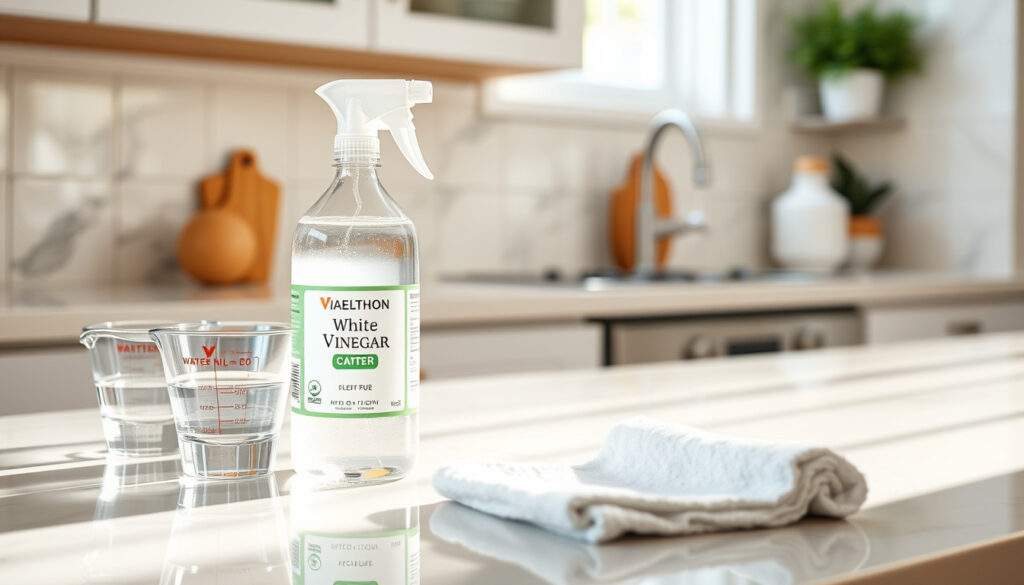
White Vinegar for Cleaning – Safe Ratios and Tips Guide
White vinegar has long served as a household staple, valued for its versatility and effectiveness as a natural cleaning agent. From kitchen counters to bathroom tiles, this pantry essential offers an eco-friendly alternative to harsh chemical cleaners.
Distilled white vinegar typically contains 5% acetic acid, giving it a pH of around 2.0 to 2.5, which makes it highly effective at cutting through grease, grime, and mineral deposits. Its acidic nature dissolves soap scum, eliminates odors, and tackles hard water stains on numerous surfaces throughout the home.
This guide explores the many applications of white vinegar for cleaning, the proper dilution ratios to ensure safe and effective use, which surfaces require caution, and practical tips for incorporating this natural solution into your cleaning routine.
What Can You Clean with White Vinegar?
White vinegar’s versatility makes it suitable for cleaning throughout the entire home. Its mild acidity breaks down mineral buildup, dissolves soap residue, and eliminates many common household odors without synthetic chemicals.
5% acetic acid
Under $1 per quart
100% biodegradable
Kills common bacteria
Beyond basic cleaning, white vinegar effectively handles specific tasks like sanitizing kitchen surfaces, removing hard water deposits from bathroom fixtures, and neutralizing odors in laundry loads. It proves particularly useful for streak-free window cleaning when properly diluted.
When combined with baking soda, vinegar creates a fizzing action that helps lift stubborn grime from oven interiors and tile grout. This natural reaction provides cleaning power without scratching surfaces.
- Removes hard water stains from glass shower doors and bathroom fixtures
- Eliminates refrigerator odors when wiped inside with diluted solution
- Clears mineral buildup from coffee makers and kettles
- Refreshes and sanitizes cutting boards without harsh chemicals
- Removes adhesive residue from labels and stickers
- Shines chrome fixtures when applied with a soft cloth
- Deodorizes trash cans and recycling bins effectively
| Fact | Detail |
|---|---|
| pH Level | 2.0-2.5 (highly acidic) |
| Kills | E. coli, Salmonella (diluted) |
| Safe On | Glass, tile, stainless steel |
| Avoid | Marble, wood finish |
| Standard Ratio | 50/50 vinegar to water |
| Shelf Life | Indefinite when stored properly |
Is White Vinegar Safe and Effective for Cleaning?
Understanding both the capabilities and limitations of white vinegar helps ensure safe and effective cleaning results. While it offers many benefits as a natural cleaner, certain considerations apply to specific situations and surface types.
Does White Vinegar Kill Bacteria?
White vinegar demonstrates effectiveness against a range of bacteria thanks to its acetic acid content, which disrupts bacterial cell membranes. Research indicates that diluted vinegar solutions can eliminate approximately 80% of bacteria commonly found on household surfaces.
However, the Centers for Disease Control and Prevention notes that while vinegar reduces many germs, it does not provide hospital-grade disinfection. For high-risk areas or during illness outbreaks, the CDC recommends using EPA-registered disinfectants or diluted bleach solutions after initial cleaning.
White vinegar works best as a maintenance cleaner for everyday surfaces where heavy-duty disinfection is not critical. Pairing it with an approved disinfectant afterward provides both cleaning power and germ elimination for situations requiring thorough sanitization.
The CDC recommends cleaning surfaces first with soap and water, then following with EPA-registered disinfectants or diluted bleach for viruses and fungi. Vinegar alone does not meet these standards for comprehensive germ control.
Can White Vinegar Damage Surfaces?
Despite its effectiveness, white vinegar’s acidic nature requires caution on certain materials. Prolonged or undiluted use can corrode, etch, or dull sensitive surfaces, making proper application essential for protecting your home’s finishes.
Surfaces that require avoidance or careful handling include granite and marble countertops, where acid etches natural stone and damages seals. Unsealed or waxed wood surfaces can have finishes stripped and become stained. Aluminum and cast iron cookware suffer pitting and corrosion. Dishwashers and steam irons may experience clogged components and damaged seals from undiluted vinegar.
Consumer Reports specifically warns against using vinegar on natural stone countertops and cast iron cookware, as the damage accumulates gradually and often becomes irreversible once surface degradation begins.
Critical Safety Warnings
Never combine white vinegar with bleach, hydrogen peroxide, or ammonia-based cleaners. These mixtures produce toxic chlorine gas or other hazardous fumes that pose serious respiratory risks. Always use vinegar separately and ensure adequate ventilation when cleaning.
Before using vinegar on any new surface, test the diluted solution on a small, inconspicuous area first. Allow it to sit for several minutes, then rinse and dry to check for adverse reactions before proceeding with full application.
Avoid mixing vinegar with bleach, hydrogen peroxide, or ammonia. These combinations release toxic fumes that can cause serious respiratory problems. Always clean with vinegar separately and ensure proper ventilation.
What Is the Best White Vinegar Cleaning Ratio?
Using the correct dilution ratio ensures maximum cleaning effectiveness while minimizing the risk of surface damage. Different tasks require different concentrations, and understanding these variations helps achieve optimal results throughout the home.
General Purpose Dilution
A standard 50/50 mixture of white vinegar and water serves as an excellent all-purpose cleaner for most surfaces including kitchen counters, bathroom tiles, and glass fixtures. This balanced ratio provides sufficient acidity for effective cleaning while remaining gentle enough for regular use.
For light-duty cleaning tasks, a more diluted solution using one part vinegar to two parts water works well on sealed surfaces like laminate countertops and vinyl flooring. Always verify surface compatibility before widespread application.
Task-Specific Ratios
- Window and glass cleaning: 50/50 dilution in a spray bottle, wiped with newspaper or microfiber for streak-free results
- Heavy-duty degreasing: Undiluted vinegar applied directly, allowed to penetrate, then scrubbed and rinsed thoroughly
- Fresh produce washing: 25% vinegar to 75% water solution, followed by thorough water rinsing
- Laundry freshening: One to two cups added to the rinse cycle for odor removal
- Washing machine cleaning: Two cups of vinegar run through an empty hot water cycle
Combined Cleaning Solutions
Pairing vinegar with baking soda creates additional cleaning power for stubborn tasks. A standard ratio of three parts baking soda to one part vinegar produces a paste suitable for scrubbing oven interiors, tile grout, and baked-on food residue on stovetops.
This combination works particularly well for oven cleaning: spray undiluted vinegar on interior surfaces, let it sit overnight, then apply the baking soda paste and scrub thoroughly. The fizzing action helps lift carbonized deposits without harsh chemicals.
How to Clean Specific Surfaces with White Vinegar
Tailoring your approach to each surface type ensures the best possible results while protecting materials from accidental damage. The following methods address common household cleaning scenarios using white vinegar.
Kitchen Surfaces and Appliances
Kitchen cleaning represents one of vinegar’s most valuable applications. Countertops made from ceramic or laminate benefit from the 50/50 solution, which cuts through cooking grease and food splatters without leaving harmful residues. Simply spray, wipe with a cloth or sponge, and dry for a clean, streak-free surface.
Stainless steel appliances require slightly different handling. Apply undiluted vinegar to a soft cloth, wipe along the grain direction to avoid scratching, and immediately dry with a clean towel to prevent water spots from forming.
Bathroom Fixtures and Tiles
Bathroom cleaning with vinegar effectively addresses soap scum buildup on shower doors, hard water deposits on faucets, and mildew on grout lines. Spray undiluted vinegar directly onto affected areas, allow it to sit for several minutes to penetrate buildup, then scrub with a brush and rinse thoroughly with water. If you’re concerned about appropriate amounts, you can find details on Pepto-Bismol dosage for children.
For persistent hard water stains around faucets and showerheads, wrap the fixture with a cloth soaked in vinegar and leave it overnight. This extended exposure loosens mineral deposits for easy removal the following day.
Windows and Glass
Cleaning windows with vinegar produces excellent streak-free results when done correctly. Fill a spray bottle with a 50/50 vinegar-water mixture, apply to the glass surface, and wipe using crumpled newspaper or a clean microfiber cloth. This technique avoids the lint residue that paper towels often leave behind.
Avoid cleaning windows in direct sunlight, as the solution dries too quickly and creates streaks. Early morning or overcast days provide ideal conditions for glass cleaning.
Oven and Stovetop
Oven cleaning demonstrates vinegar’s strength against baked-on grease and carbon deposits. Spray the interior surfaces with undiluted vinegar, close the oven door, and allow it to work overnight. The acetic acid softens cooked-on residue for easy removal the next day.
After the overnight treatment, apply a paste of three parts baking soda to one part water to oven walls and racks. Let this sit for several hours or overnight, then scrub with a sponge or brush. This method lifts baked-on grease without harsh chemicals. For additional cleaning power, consider pairing these methods with other proven approaches like those detailed in our guide on smooth recipe techniques for particularly stubborn buildup.
Laundry and Washing Machine
White vinegar serves multiple purposes in laundry care. Adding one to two cups to the rinse cycle softens fabrics, removes detergent residue, and eliminates odors from worn clothing. The acidity neutralizes alkaline detergent buildup that can make clothes feel stiff or cause skin irritation.
Running an empty washing machine on a hot cycle with two cups of vinegar added removes mold, mildew, and detergent accumulation from the drum and internal components. Perform this maintenance monthly to keep your machine fresh and functioning efficiently.
Understanding What We Know and What Remains Uncertain
Transparency about the scope and limitations of vinegar’s cleaning capabilities helps consumers make informed decisions. While many benefits are well-documented, certain aspects require further scientific investigation.
Established Information
- Vinegar’s acidity effectively cuts through grease, soap scum, and mineral deposits
- Diluted solutions eliminate approximately 80% of common household bacteria
- It damages natural stone, aluminum, and unsealed wood surfaces
- Mixing with bleach produces toxic fumes
- Distilled white vinegar provides the cleanest application without staining
- Cost-effective compared to commercial cleaning products
Information That Remains Unclear
- Long-term effects of repeated use on sealed stone surfaces
- Precise effectiveness against specific viral strains beyond influenza
- Optimal application time before rinsing for maximum bacterial elimination
- Interaction effects with various essential oils when combined for scent
- Shelf life stability of pre-mixed dilution solutions
- Comparative effectiveness against newer commercial eco-friendly alternatives
Why White Vinegar Works for Cleaning
White vinegar’s cleaning power stems from its chemical composition. The acetic acid in vinegar typically constitutes about 5% of the solution, creating a pH between 2.0 and 2.5 that proves highly effective at dissolving mineral deposits, soap residue, and fatty substances.
This acidity breaks down the ionic bonds in mineral deposits like calcium and magnesium, which cause hard water stains and scale buildup. Simultaneously, acetic acid emulsifies fats and oils, allowing them to be rinsed away rather than smeared across surfaces.
Distilled white vinegar provides the purest form for cleaning applications because it lacks the pigmentation found in apple cider or wine vinegars, eliminating any risk of staining light-colored surfaces. Its neutral scent also means it does not introduce competing odors during the cleaning process.
Expert Perspectives and Credible Sources
Several reputable organizations have addressed vinegar’s role in household cleaning, providing guidance that helps consumers understand both its benefits and limitations in practical applications.
While vinegar does kill many types of germs, it is not EPA-registered as a disinfectant and should not be relied upon for disinfection of surfaces that may be contaminated with viruses or fungi.
Centers for Disease Control and Prevention
The CDC’s guidance on home cleaning and disinfection emphasizes that routine cleaning with soap or detergent should precede any disinfection regimen. For high-touch surfaces, they recommend EPA-registered products rather than natural alternatives for primary germ control.
Consumer testing organizations have evaluated vinegar-based cleaning recipes for everyday household tasks. Their findings support vinegar’s effectiveness for routine cleaning but consistently note its limitations against hardy pathogens, recommending it as a complement to rather than replacement for conventional disinfectants.
The U.S. Food Safety department also provides guidance on proper food handling and cleaning practices, reinforcing the importance of using appropriate cleaning agents for different household tasks.
The Bottom Line
White vinegar stands as a versatile, affordable, and environmentally responsible cleaning option for dozens of household applications. Its proven effectiveness against everyday soils, odors, and many common bacteria makes it a valuable addition to any cleaning arsenal.
Success with white vinegar requires understanding both its strengths and limitations. Use it undiluted for heavy-duty tasks like oven cleaning or hard water removal, employ the standard 50/50 dilution for everyday surface cleaning, and always avoid it on natural stone, cast iron, and aluminum surfaces. Never combine vinegar with bleach or other chemical cleaners.
For situations requiring hospital-grade disinfection, vinegar should be followed by an EPA-registered product rather than used alone. Complement your vinegar cleaning routine with other healthy household strategies by exploring low calorie lunch ideas that support overall wellness alongside household cleanliness.
Frequently Asked Questions
Does white vinegar kill bacteria on surfaces?
White vinegar eliminates approximately 80% of common household bacteria due to its acetic acid content. However, the CDC notes it does not provide hospital-grade disinfection and should not replace EPA-registered disinfectants for high-risk situations.
Can white vinegar damage my countertops?
Yes. White vinegar damages natural stone surfaces including granite and marble by etching the stone and degrading protective seals. Avoid using vinegar on these materials entirely.
What ratio of vinegar to water works best for cleaning windows?
A 50/50 mixture of white vinegar and water produces streak-free results on windows and glass surfaces. Apply with a spray bottle and wipe using newspaper or microfiber cloth.
Is it safe to mix white vinegar with other cleaners?
Never mix white vinegar with bleach, hydrogen peroxide, or ammonia-based cleaners. These combinations produce toxic fumes that pose serious health risks. Use vinegar alone and ensure good ventilation.
How do I clean my washing machine with white vinegar?
Run an empty washing machine on its hottest cycle and add two cups of white vinegar to the drum. This removes detergent buildup, mold, and odors from internal components.
More related posts
 Stranger Things Season 4 Release Date: When Did It Premiere?
 Phoebe Bridgers: Relationships, Health, and 2026 Tour
 Guy Fieri: Biography, New Look, Tragic Story, and More
 Michelle De Swarte: From Model to Star of BBC’s Spent
 Gwen Stefani: Irish? Baby at 44? Dyslexia? Net Worth & Marriage
 Where’s Wally? Origin, Name Changes, and Bans
 Tom Brady Biography: Net Worth, Super Bowl Wins & Personal Life
